Insights from VIDEC 2026: Biofilms, the Oral Microbiome, and New Approaches to Preventive Dentistry

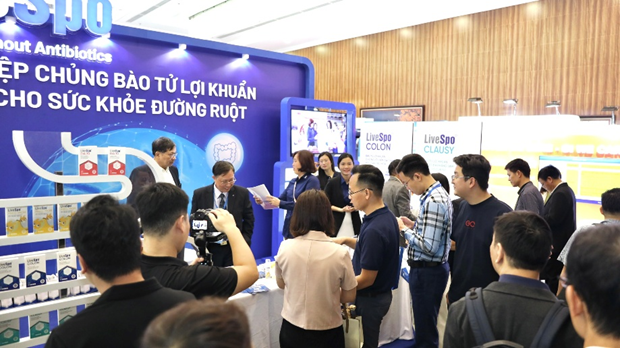
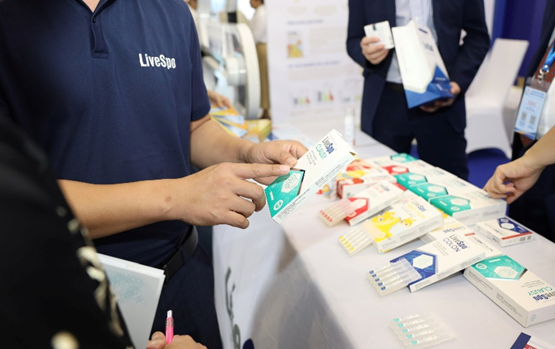
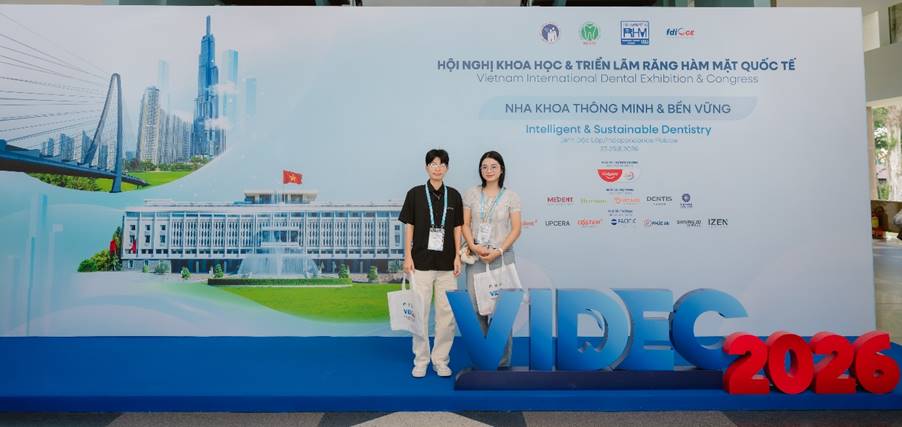
The Vietnam International Dental Exhibition and Congress (VIDEC 2026), held in Ho Chi Minh City from August 27 to 29, 2026, offered updates on emerging trends in oral health care. Alongside advances in treatment techniques, a recurring theme across the scientific sessions was the growing attention to biofilms, the oral microbiome, and early prevention strategies, all of which are shaping contemporary approaches to oral disease.
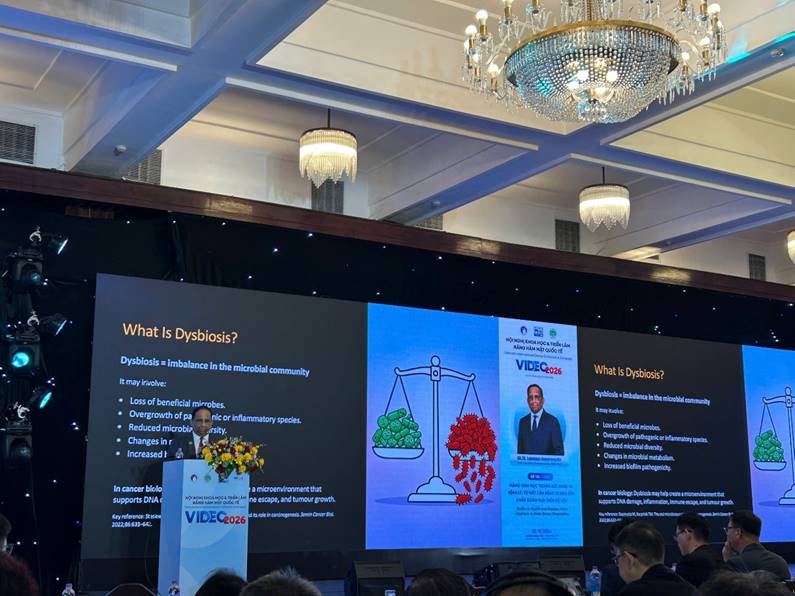
At the oral biofilm session on the morning of August 27, Professor Lakshman Samaranayake presented “Biofilms in Health and Disease: From Microbial Dysbiosis to Data-Driven Diagnosis.” A biofilm is more than a collection of bacteria attached to a tooth surface: it is a dynamic ecosystem shaped by microbial communities, host responses, and environmental factors. When this balance is disrupted, or dysbiosis occurs, the composition and activity of the microbiome may shift in ways that favor disease onset and progression. The presentation also highlighted the potential of microbiome profiling, biomarkers, and artificial intelligence (AI) to identify risk and inform personalized prevention strategies.

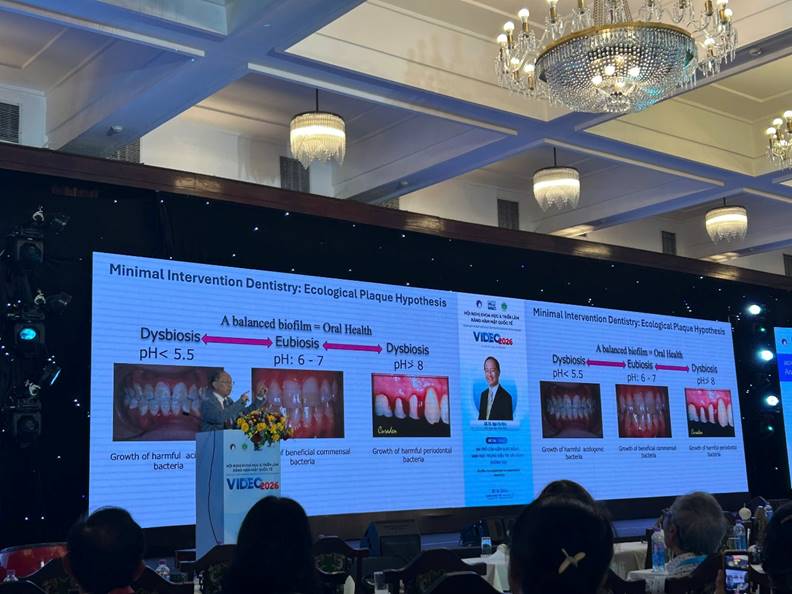
Building on this perspective, Professor Ngo Chi Hien emphasized the role of biofilm control in contemporary caries management, while Professor Robert M. Love examined the contribution of biofilms to pulpal and periapical disease in endodontics. Although these presentations addressed different specialties, they pointed to a shared shift in dentistry: increasing attention to biological causes, tissue preservation, and early intervention to prevent disease progression, alongside treatment of established lesions.
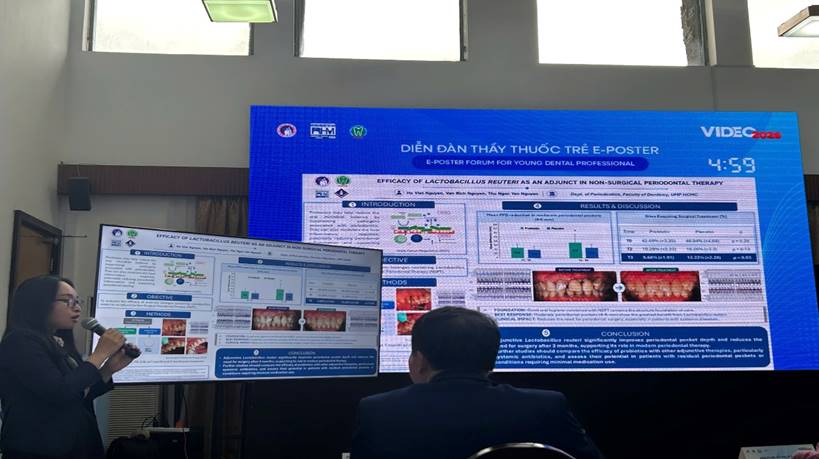
This perspective raises the question of whether the microbiome can be steered toward a healthier state. One example presented during the e-poster session on August 27 was a study of Lactobacillus reuteri as an adjunct to nonsurgical periodontal therapy. According to the preliminary three-month findings presented at the conference, the probiotic group had shallower periodontal pockets in the subgroup with moderate pocket depths (4–6 mm) and a lower need for surgical treatment than the control group; the reported differences were statistically significant (p < 0.05). More evidence is needed to establish the full clinical significance of these findings, but the study illustrates interest in probiotics as an adjunct to standard dental care.
Sessions on August 28 and the morning of August 29 further highlighted the move toward risk management and long-term prevention. Established measures such as plaque control, fluoride, and xylitol remain important. At the same time, advances in sequencing and data analysis are enabling more detailed investigation of the microbial ecosystem as a whole, rather than a small number of individual pathogens. These approaches may help identify unfavorable changes in the microbiome earlier and guide more targeted interventions.

In Vietnam, this direction offers considerable potential but also presents challenges. Studies of cariogenic bacteria, periodontal pathogens, and conventional control measures are well established, whereas clinical trials of probiotics for oral health remain relatively new. Beyond selecting suitable microbial strains, probiotic products require human evidence of efficacy, safety, and effects on the microbiome. Findings for one probiotic strain cannot automatically be generalized to another strain or formulation.

This evidence gap also creates an opportunity for organizations with microbiology expertise and domestic research capacity. With its probiotic spore technology and experience developing microbiome-based solutions, LiveSpo has the potential to expand into oral health care. Probiotics may offer a way to support microbiome management, help maintain balance in the oral ecosystem, limit the overgrowth of unfavorable bacteria, and complement long-term prevention and oral care strategies. LiveSpo Oral Biome – SmileCARE could therefore represent a promising development direction as interest grows in safe, proactive solutions grounded in biological mechanisms.

Overall, VIDEC 2026 illustrated a broad shift in modern dentistry: from treating existing damage toward prevention, from focusing on individual pathogens toward managing the biofilm ecosystem, and from clinical experience alone toward increasingly data-informed decisions. This shift provides a foundation for continued research and evaluation of new microbiome-based approaches and for exploring their appropriate role in oral health care in Vietnam.
ANABIO R&D Participates in the First Scientific Conference of the Institute of Medical Laboratory, Bach Mai Hospital

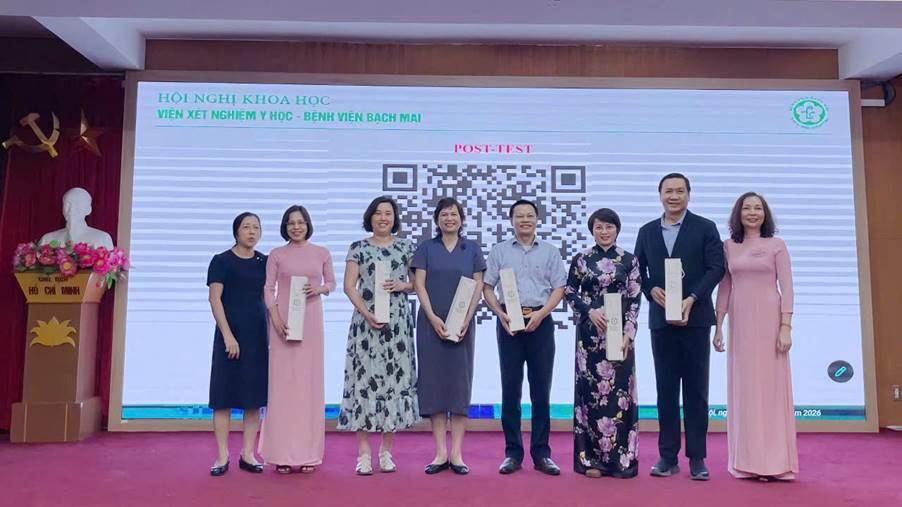
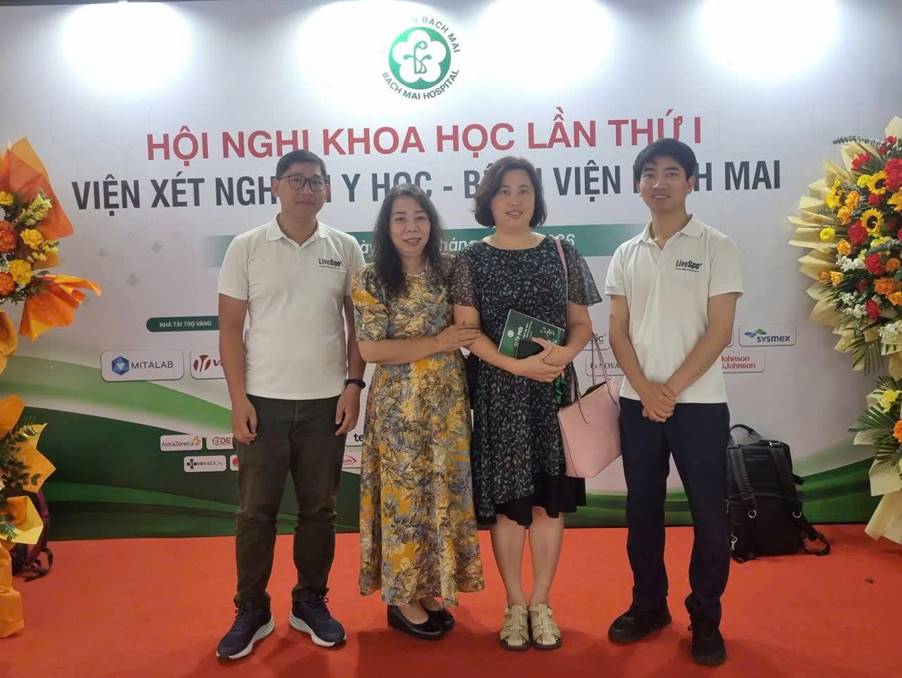
On September 17-18, 2026, members of the ANABIO R&D team attended the First Scientific Conference of the Institute of Medical Laboratory, Bach Mai Hospital, a major scientific event bringing together researchers, clinicians, professors, physicians, and laboratory medicine experts from across Vietnam.

The conference provided a platform for scientists and healthcare professionals to exchange recent research findings, discuss emerging laboratory technologies, and explore new approaches to improving the quality of medical testing and clinical diagnostics at Bach Mai Hospital and throughout Vietnam.

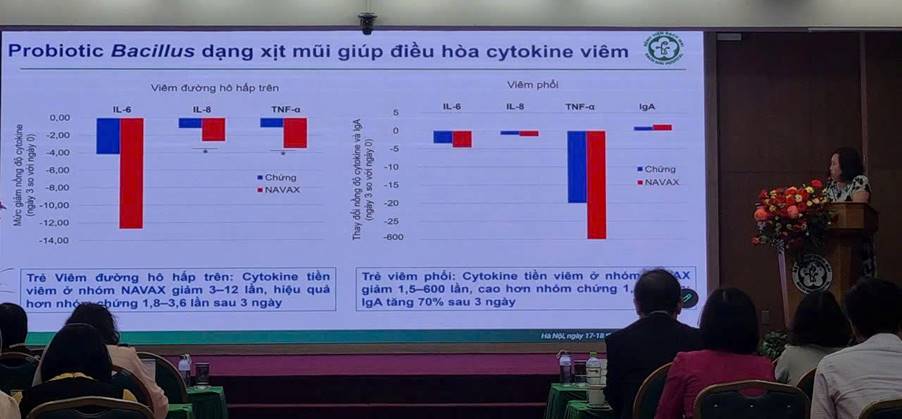
One of the scientific presentations at the conference was delivered by Assoc. Prof. Dr. Nguyen Thi Van Anh, representative of the ANABIO Spore Research Center, R&D and scientific advisor of LiveSpo Pharma, presented the study: “Evaluation of the Effects of Nasal-Spray Bacillus Probiotics on Immune Markers, Pathogen Load, and the Nasal Microbiota in Children with Acute Respiratory Tract Infections.”

The presentation attracted considerable interest from participants, particularly regarding the potential of LiveSpo Navax to modulate respiratory microbiota, reduce pathogen burden, and influence local immune responses in children with acute respiratory tract infections. The findings also contributed to broader discussions on the emerging role of probiotics in respiratory health and the importance of the respiratory microbiome in infectious diseases.

The conference featured a wide range of scientific studies covering microbiology, molecular diagnostics, immunology, toxicology, biochemistry, hematology, and laboratory quality management.

Among the notable presentations was:“Phenotype and Genotype of Carbapenem Resistance in Klebsiella pneumoniae and Pseudomonas aeruginosa Isolated from a Central Hospital in Vietnam,”

presented by the research team led by Assoc. Prof. Ph.D. Mr Bui Tien Sy, Director of the Laboratory Center, 108 Military Central Hospital.

Another key presentation focused on:

“Metagenomic Next-Generation Sequencing for Viral Detection in Influenza-Like Illness and Acute Respiratory Infection: Clinical Value, Challenges and Implementation Perspectives,”

presented by Ph.D. MD Truong Thai Phuong, Deputy Director of the Institute of Medical Laboratory and Head of the Department of Microbiology, Bach Mai Hospital.

The presentation highlighted the growing potential of metagenomic next-generation sequencing (mNGS) for detecting infectious agents, particularly in complex respiratory infections where conventional diagnostic methods may not identify the causative pathogen.

A major highlight of the final conference session was the handover of a next-generation sequencing (NGS) system to Bach Mai Hospital with the participation of the U.S. Embassy-Centers for Disease Control and Prevention, supporting the hospital’s capacity in molecular diagnostics and advanced biomedical research. The conference also included discussions involving organizations and experts working in laboratory quality assessment and quality assurance, emphasizing the increasing importance of standardized laboratory systems and internationally recognized quality frameworks.

For ANABIO R&D, the conference provided not only valuable scientific updates but also practical insights for strengthening research activities and laboratory quality management.

Following the conference, Assoc. Prof. Dr. Nguyen Thi Van Anh provided strategic direction for the R&D team to further standardize the Probiotic Spore Laboratory, strengthen quality management systems, improve research and testing procedures, and progressively move toward internationally recognized laboratory standards.

Participation in the conference represented an important opportunity for ANABIO to stay connected with advances in laboratory medicine, expand scientific collaboration with hospitals and research institutions, and continue developing applied research in probiotics, the human microbiome, and health sciences.

ANABIO R&D at Vitafoods Asia 2026: Connecting Science, Technology, and the Future of Probiotics

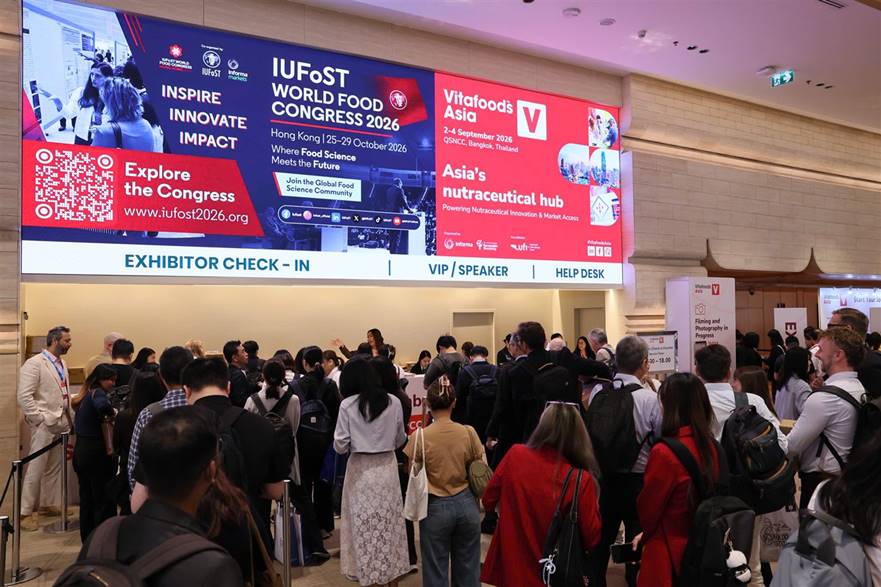
Vitafoods Asia 2026 took place from September 2–4, 2026, at the Queen Sirikit National Convention Center (QSNCC) in Bangkok, Thailand.

Organized by Informa Markets, Vitafoods Asia 2026 covered approximately 30,000 m² and brought together more than 800 companies, representing an approximately 30% increase compared with the previous edition. Under the theme “Nutraceutical Trends Across Generations,” the exhibition focused on nutrition and healthcare solutions designed to address the needs of different age groups, from children and women to older adults. For ANABIO R&D, the event provided not only an opportunity to showcase Bacillus spore-based probiotic technologies researched and developed in Vietnam, but also a platform to explore emerging technologies, products, and scientific evidence in the global market.

  1. Probiotics at Vitafoods Asia 2026: Diversifying Applications and Advancing Technology

Within the broader landscape of Vitafoods Asia 2026, probiotics and microbiome-modulating solutions continued to attract strong interest from both industry and the research community. The presence of the International Probiotics Association (IPA), together with ingredient manufacturers, microbial strain developers, and finished-product companies, reflected continued progress in translating microbiome research into health-related products.

Notably, a number of international probiotic companies presented products and technologies targeting increasingly specialized health needs, including Morinaga, SYNGEN Biotech, and Lallemand Health Solutions. This growing diversity also places greater demands on research and development.

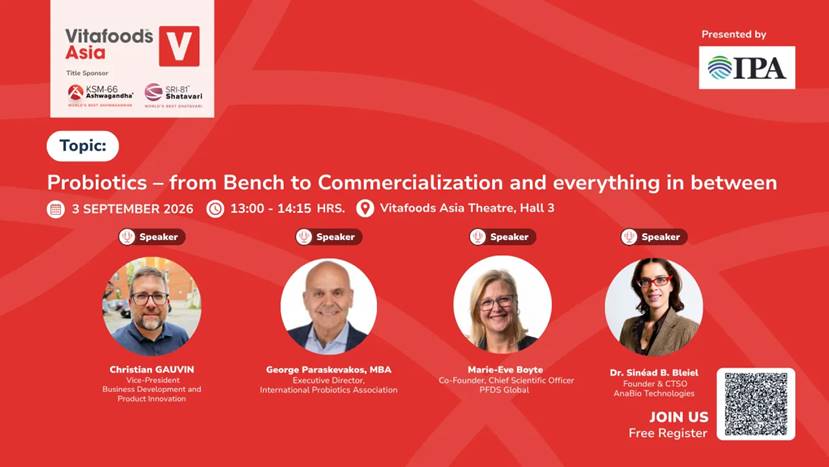
One of the notable scientific sessions at Vitafoods Asia 2026 was presented by the International Probiotics Association (IPA), bringing together four experienced experts to discuss key challenges in probiotic product development, particularly the need to maintain product quality, scientific credibility, and consumer trust. A key message emerging from the discussion was that the value of a probiotic product lies not only in identifying promising microbial strains, but also in successfully translating research findings into products with consistent quality, robust scientific evidence, and transparent communication.

  • LiveSpo: High-Concentration, Multi-Strain Spore-Based Probiotic Technology from Vietnam

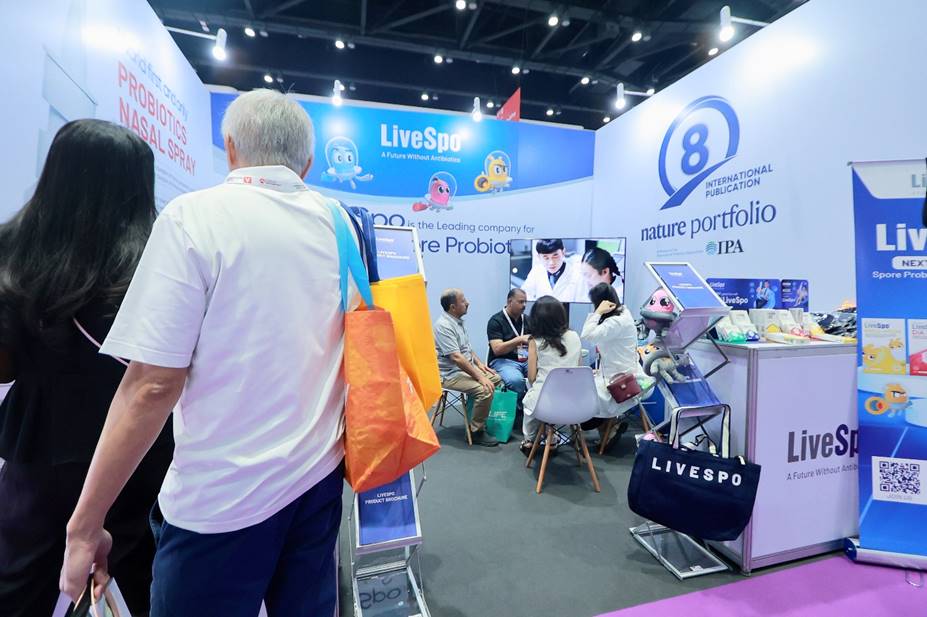
Amid the diversity of probiotic solutions presented internationally, LiveSpo Pharma has been described as the world’s first and only manufacturer to successfully produce high-quality, multi-strain spore-based probiotics in liquid form, enabling the development of clinically evaluated products across a range of applications, according to PR Newswire. At Vitafoods Asia 2026, LiveSpo showcased probiotic products designed to address health needs ranging from digestive to respiratory health.

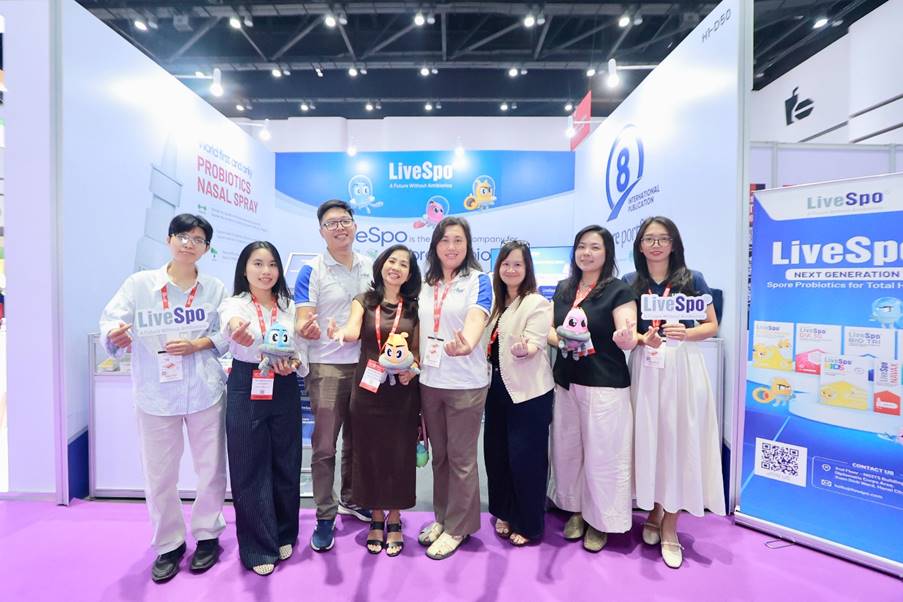
At booth H1-D50, LiveSpo showcased DIA30, CLAUSY, KIDS, PREGMOM, and NAVAX. Among these, DIA30 and CLAUSY are notable gastrointestinal probiotic products supported by clinical research. In clinical trials involving children with persistent diarrhea, both products demonstrated benefits as adjuncts to standard treatment, shortening recovery time by 3 days compared with the control groups. In the DIA30 study, the duration of antibiotic use was also reduced by approximately 25% compared with the control group. These findings highlight the potential role of probiotics as supportive interventions within strategies aimed at promoting the appropriate use of antibiotics.

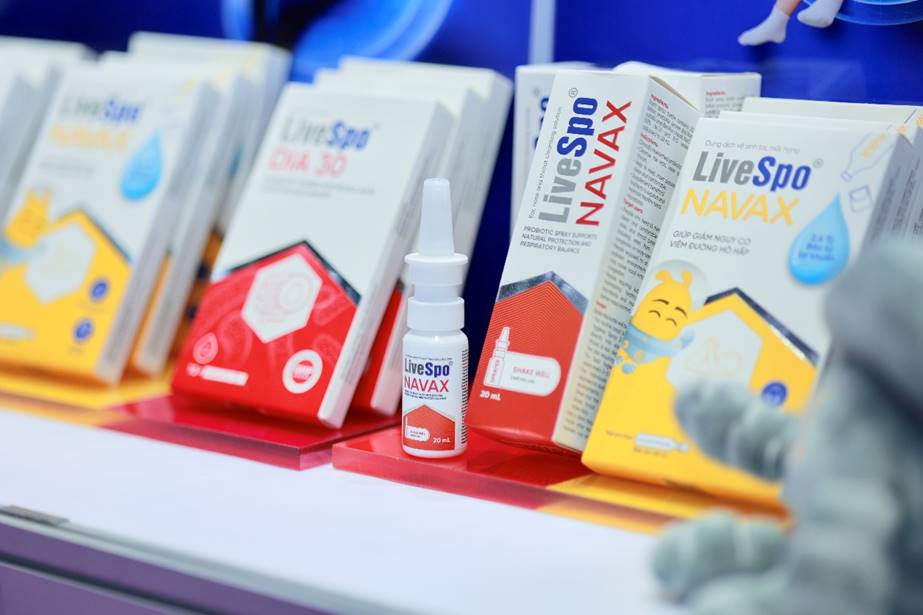
Notably, LiveSpo® NAVAX represents one of LiveSpo’s pioneering innovations. In a NutraIngredients preview of exhibitors at Vitafoods Asia 2026, the product was featured as a nasal spray probiotic designed to support respiratory health.

NAVAX: A Probiotic Highlight for Respiratory Health at Vitafoods Asia 2026

While most conventional probiotic products are administered orally, LiveSpo NAVAX stands out as a nasal spray probiotic based on beneficial Bacillus spores, expanding the application of probiotics directly to the respiratory mucosa.

In a trial involving 400 children aged 2–5 years, 28 days of NAVAX use was associated with an incidence of new viral infections approximately one-sixth that of the control group, while the incidence of new bacterial infections was approximately half that observed in the control group. Changes in the nasal microbiota were also observed, including increased abundance of Bacillus and Brevibacillus (Pham et al., 2026).

Another clinical trial in children with RSV-associated pneumonia and bacterial coinfection found that NAVAX, when used alongside standard treatment, was associated with shorter times to symptom improvement and treatment completion (Le et al., 2025).

The combination of high-concentration probiotic spore technology, local administration, and a clinical research-driven development approach helped distinguish NAVAX within the LiveSpo product portfolio at Vitafoods Asia 2026.

Beyond the diversity of its product portfolio, LiveSpo also brought to the exhibition an overarching research vision: “A Future Without Antibiotics.” This message reflects the company’s commitment to developing scientifically supported probiotic solutions that can contribute, where appropriate, to prevention, healthcare, and treatment support, while promoting the rational use of antibiotics.

For ANABIO R&D, the technological trends, product innovations, and scientific evidence presented at Vitafoods Asia 2026 provide valuable references for future research and development. These insights also support the continued development of more specialized probiotic solutions with strong practical applicability and an increasingly robust scientific evidence base.

ANABIO R&D’s Journey of Learning and Sharing at the MOH-VN 2026 3rd International Conference

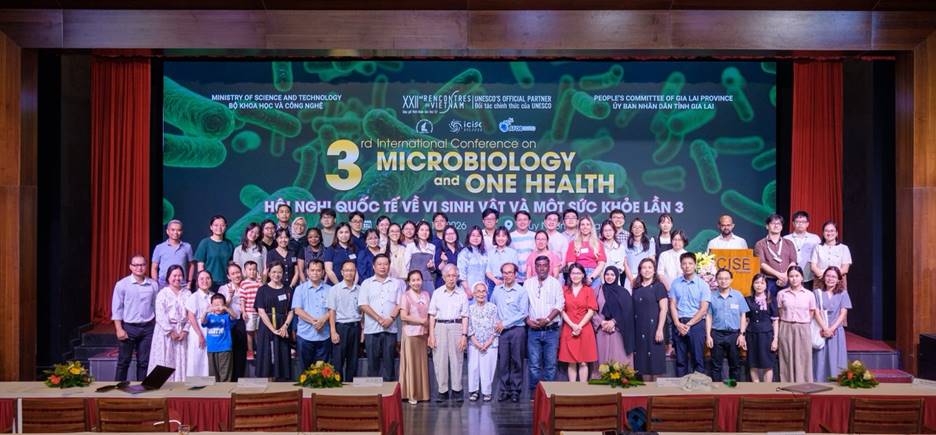
From August 11 to 14, members of the ANABIO R&D research team embarked on a meaningful trip to the coastal city of Quy Nhon to attend the 3rd International Conference on Microbiology and One Health (MOH-VN). The trip was not only an opportunity to share dedicated research results but also a wonderful journey for Anabio’s scientific team to network, learn, and gain new perspectives from the research community.

Held in the inspiring space of the International Centre for Interdisciplinary Science and Education (ICISE), this year’s MOH-VN conference brought together experts, PhDs, students, and individuals with a deep interest in microbiology. At the conference, the research team brought a thirst for learning and new knowledge, networking and exchanging expertise with the scientific community while also sharing the team’s clinical research stories with the broader expert community.

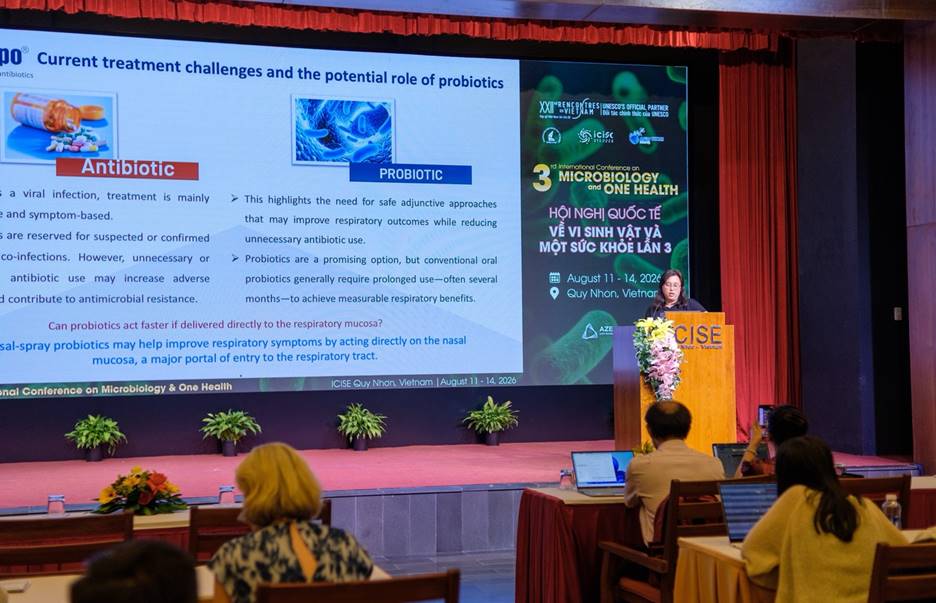
Assoc. Prof. Dr Nguyen Thi Van Anh presenting on the application of Bacillus spore probiotics in nasal spray form (Navax) at Plenary Session 1.

A highlight of the trip was Plenary Session 1 on August 11, when Assoc. Prof. Dr Nguyen Thi Van Anh presented report O-03. She shared positive research results on using Bacillus spore probiotics in nasal spray form (Navax). The study, which looked at reducing antibiotic use and improving symptoms in children with RSV, received close attention and helpful feedback from experts at the conference.

The next day afternoon, at the poster exhibition area, the research team had the opportunity to converse, exchange clinical trial design experiences, and share research data on supplementing with the Pregmom probiotic product to support digestive improvement in young children.

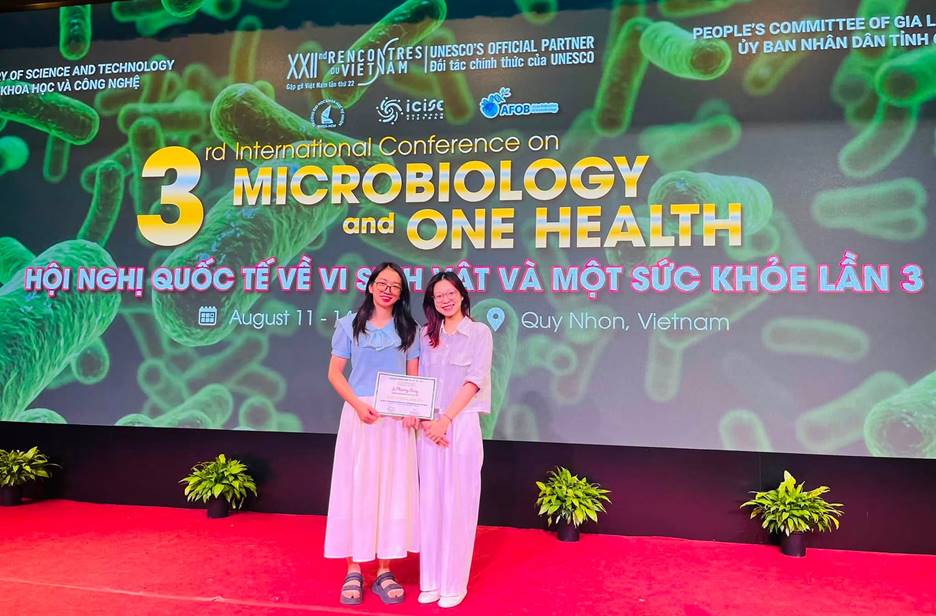
After the MOH-VN 2026 conference, the ANABIO R&D team returned with the proud “Best Poster Award” certificate and an abundance of positive energy. The knowledge gained from the conference will undoubtedly inspire members to continue new projects, stepping firmly together on the journey of bringing beneficial probiotics to care for community health.

Representatives of the ANABIO R&D research team are proudly receiving the “Best Poster Award” from the Organising Committee.

Updates from the 2025 National Gastroenterology Conference: Emerging Disease Trends and Clinical Evidence on the Role of the Probiotic LiveSpo®COLON

The 31st Annual National Gastroenterology Scientific Conference (2025), held in Ninh Binh from October 31 to November 1, brought together leading experts to discuss the latest advances in the diagnosis and treatment of gastrointestinal diseases in Vietnam. This year, the conference focused on two major challenges: the increasing prevalence of inflammatory bowel disease (IBD) and irritable bowel syndrome (IBS) in younger populations, and the persistently high rate of Helicobacter pylori (HP) infection accompanied by rising antibiotic resistance. A common thread connecting these conditions is the essential role of the gut microbiome, making probiotics one of the most prominent topics of discussion at the conference.

Multiple scientific presentations highlighted the rapid rise of IBS and IBD among younger individuals in Vietnam, underscoring the need for safe and long-term supportive therapies. According to Assoc. Prof. Dr. Tran Thi Khanh Tuong, spore-forming Bacillus probiotics and beneficial yeasts show promising potential in reducing inflammation, modulating the gut–brain axis, and improving persistent digestive symptoms. Additionally, given Vietnam’s high HP infection rates and difficulties in managing reinfection, incorporating probiotics into treatment regimens is increasingly viewed by clinicians as a valuable adjunctive approach. However, despite abundant international evidence, Vietnam still lacks high-quality clinical studies conducted directly on the local population.

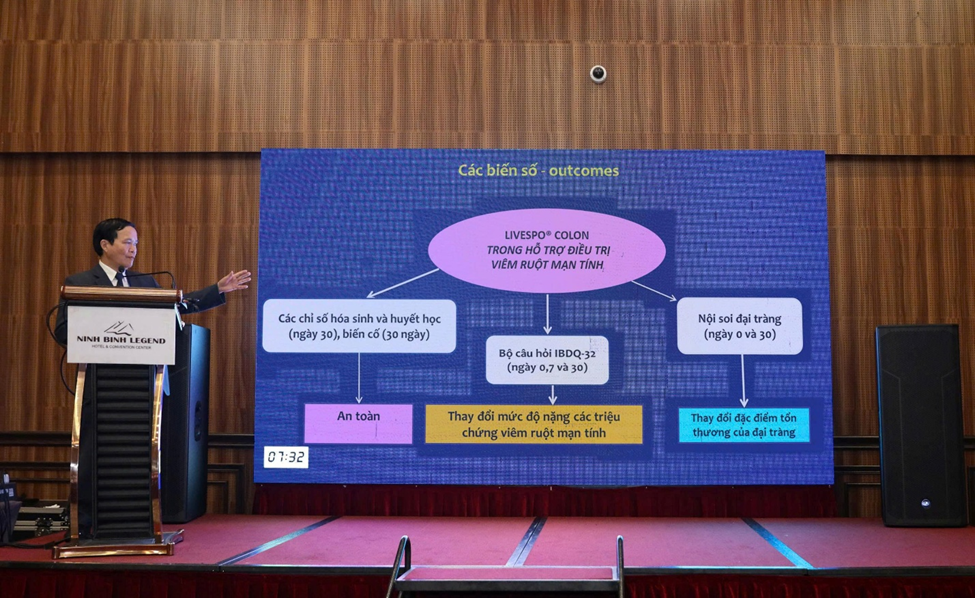
Assoc. Prof. Vu Van Khien – General Secretary of VNAGE, presented the research findings on LiveSpo®COLON for IBD treatment conducted at Thai Binh University of Medicine and Pharmacy

One of the highlights of the conference was the presentation by Assoc. Prof. Dr. Vu Van Khien, Vice President of VNAGE, titled “The role of probiotic in inflammatory bowel diseases: Overview and preliminary finding in Vietnam.” The report introduced a study conducted at Thai Binh University of Medicine and Pharmacy evaluating a multi-strain Bacillus formulation in the product LiveSpo Colon among IBD patients. The results demonstrated a favorable safety profile, with no serious adverse events recorded during the 30-day follow-up and no abnormalities in subclinical laboratory parameters. Clinical symptoms of IBD—including abdominal pain, diarrhea, constipation, mucus or bloody stools, fatigue, and weight loss—showed significant improvement at both day 7 and day 30 in the LiveSpo Colon group, with greater improvement compared to the control group. Colonoscopy findings after 30 days also revealed clearer mucosal recovery, suggesting the supportive therapeutic potential of the Bacillus formulation.

Against the backdrop of the challenges highlighted by leading experts, LiveSpo’s vision of “A future without antibiotics” was emphasized as a forward-looking strategy aligned with global trends. Investment in clinical research, the development of robust Bacillus spores, and a microbiome-centered approach reflect LiveSpo’s commitment to providing sustainable solutions for public health. This direction represents not only scientific advancement but also social responsibility in the face of the growing threat of antibiotic resistance.

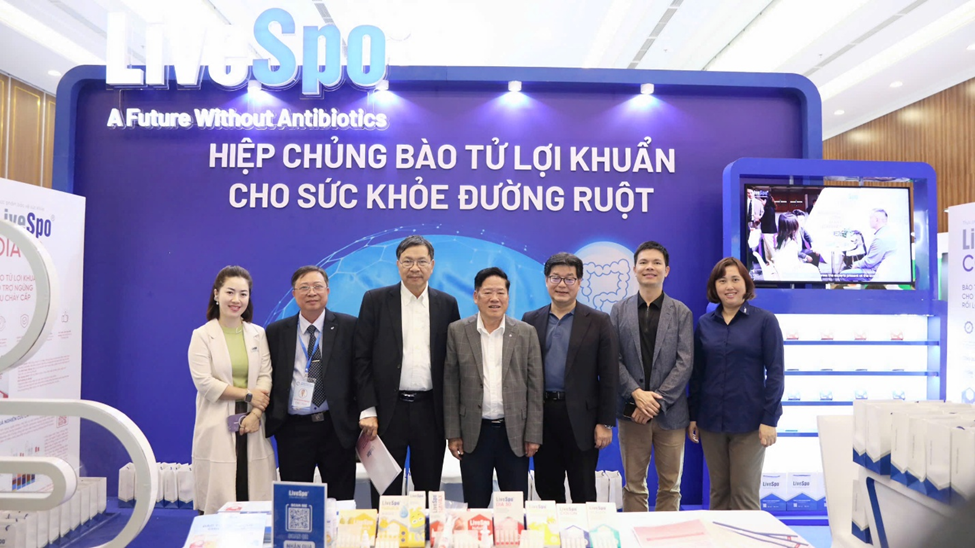
LiveSpo products have gained broad attention from the medical and scientific community due to clinical studies demonstrating their efficacy

Overall, this year’s conference reflected a clear shift in Vietnam’s gastroenterology field—from a purely drug-centered approach to strategies focused on microbiome modulation and personalized care. Probiotics, especially Bacillus-based formulations, are emerging as promising adjunctive options for various gastrointestinal disorders. However, for probiotics to be formally integrated into clinical practice in Vietnam, high-quality local studies remain essential. During this transition, the contributions of research institutions and pioneering companies, such as LiveSpo, play a significant role in generating evidence and drawing attention from clinicians and experts nationwide.

1 2 3 … 5
Hosted By Wordpress Clusters